Margarine plant systems

Mencari peluang investasi hilir untuk bisnis minyak nabati? Tingkatkan nilai produk dengan mengolah minyak menjadi margarin dan berbagai produk lemak kuning. Optimalkan proses dengan sistem pabrik margarin modular Alfa Laval yang higienis dan otomatis untuk kualitas, hasil, dan efisiensi tinggi.

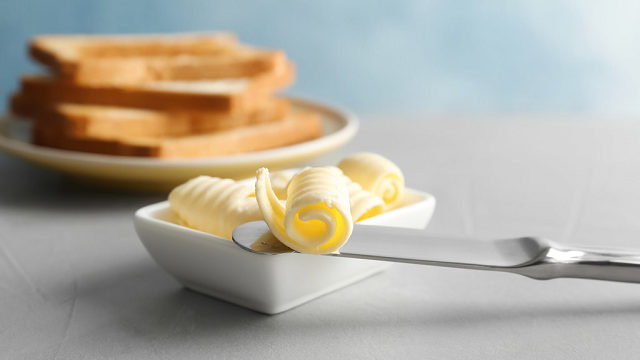
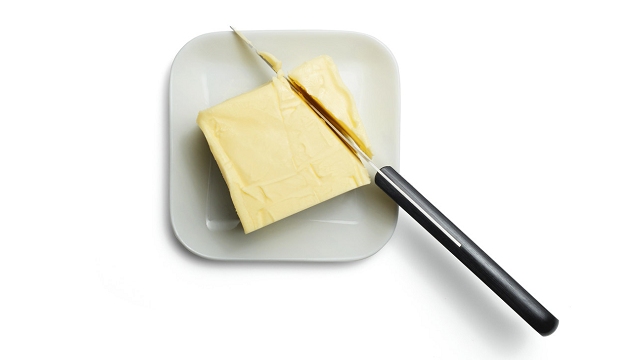
Knife holding margarine

Lini produksi yang fleksibel dan sangat efisien untuk margarin dan olesan berkualitas tinggi

  • Pabrik modular yang mudah menyesuaikan dengan kebutuhan kapasitas
  • Sistem pemrosesan skid-mount yang sepenuhnya otomatis dan hemat biaya
  • Produk yang terbukti higienis
  • Kualitas produk tertinggi, hasil optimal
  • Satu titik kontak untuk semua proses produksi margarin Anda
Memecahkan tantangan produksi margarin membutuhkan pendekatan holistik – mulai dari mencari lemak dan memisahkan trigliserida dalam lemak dan minyak, hingga menyiapkan minyak, air, dan pengemulsi, serta mengelola titik leleh, pasteurisasi, dan kristalisasi. Mencapai campuran padat-cair yang tepat untuk produk lemak kuning yang halus dan stabil membutuhkan pemahaman yang luas tentang cara mencapai karakteristik akhir dari produk jadi dengan tetap menjaga kualitas rasa, tekstur, dan nutrisi. Alfa Laval dapat membantu.

Dokumen

.

Deskripsi proses produksi margarin

Proses produksi margarin terdiri dari lima bagian: fase minyak dengan persiapan pengemulsi, fase air, persiapan emulsi, pasteurisasi, dan kristalisasi. Setiap kelebihan produksi dikembalikan melalui unit pengerjaan ulang berkelanjutan ke tangki emulsi.
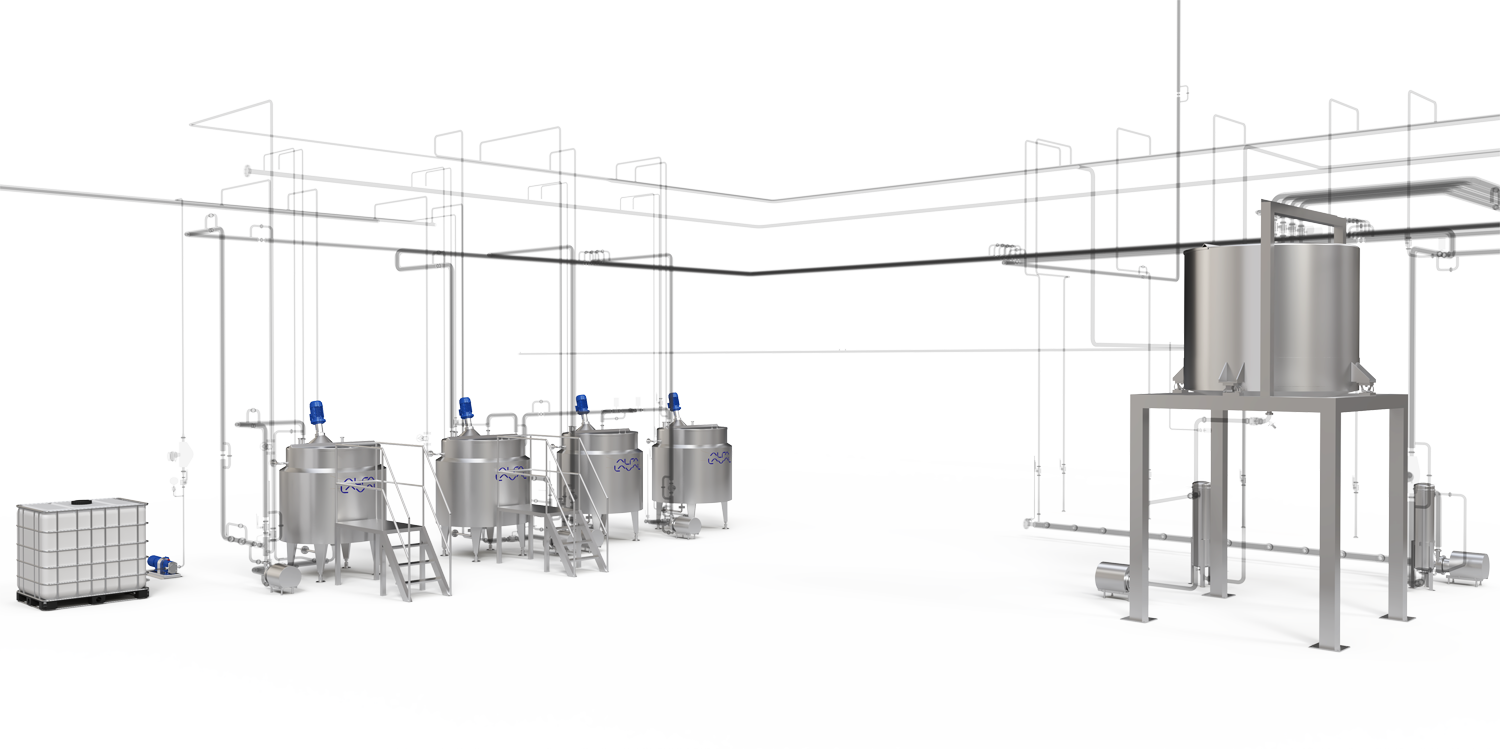
Alfa Laval margarine processing plants and equipment for oil phase and emulsifier area

Fase minyak dan persiapan pengemulsi dalam produksi margarin

Pompa mentransfer minyak, lemak, atau minyak campuran dari tangki penyimpanan melalui filter ke sistem pembobotan. Untuk mendapatkan bobot minyak yang tepat, tangki ini dipasang di atas sel beban. Minyak campuran dicampur sesuai resep.

Persiapan pengemulsi dilakukan dengan mencampur minyak dengan pengemulsi. Setelah minyak mencapai suhu sekitar 70°C, pengemulsi seperti lesitin, monogliserida, dan digliserida, biasanya dalam bentuk bubuk, ditambahkan secara manual ke dalam tangki pengemulsi. Bahan larut minyak lainnya seperti pewarna dan perasa dapat ditambahkan.   

Water phase in margarine production

Fase air dalam produksi margarin

Tangki insulasi disediakan untuk produksi fase air. Flow meter memasukkan air ke dalam tangki untuk dipanaskan hingga suhu di atas 45ºC. Bahan kering seperti garam, asam sitrat, hidrokoloid, atau susu bubuk skim dapat ditambahkan ke dalam tangki dengan menggunakan peralatan khusus seperti mixer corong bubuk.


Emulsion preparation in margarine production

Persiapan emulsi dalam produksi margarin

Emulsi dibuat dengan mencampur minyak dan lemak dengan campuran pengemulsi dan fase air dalam urutan tersebut. Pencampuran fase minyak dan fase air terjadi di tangki emulsi. Di sini, bahan lain seperti perasa, aroma, dan pewarna dapat ditambahkan secara manual. Pompa mentransfer emulsi yang dihasilkan ke tangki umpan.

Peralatan khusus, seperti high shear mixer, dapat digunakan pada tahap proses ini untuk membuat emulsi yang sangat halus, sempit dan kencang, dan memastikan kontak yang bagus antara fase minyak dan fase air. Hasil emulsi yang halus akan menghasilkan margarin berkualitas tinggi yang menunjukkan kekenyalan, konsistensi, dan struktur yang bagus.

Pompa kemudian meneruskan emulsi ke area pasteurisasi.
Pasteurization in margarine production

Pasteurisasi dalam produksi margarin

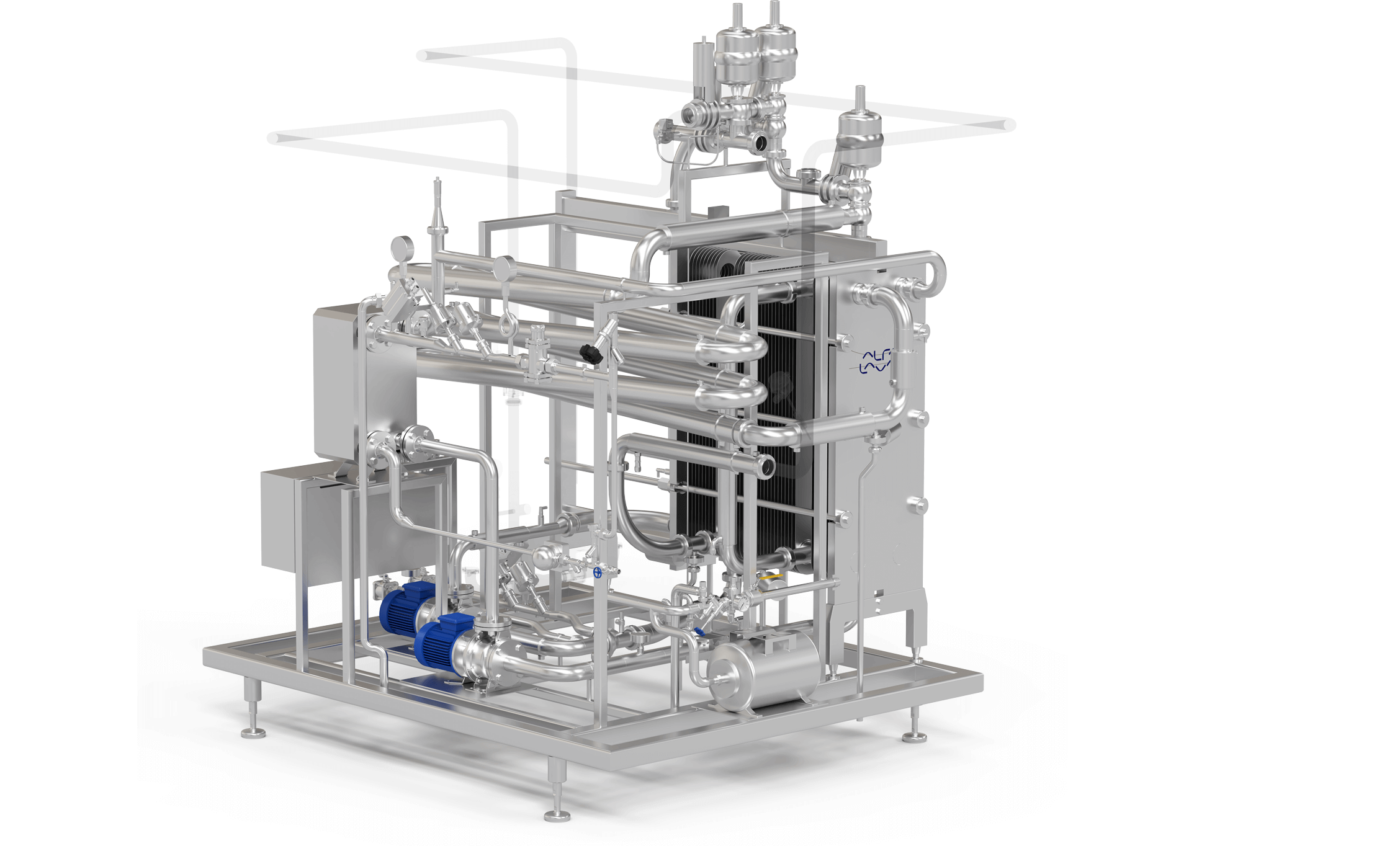
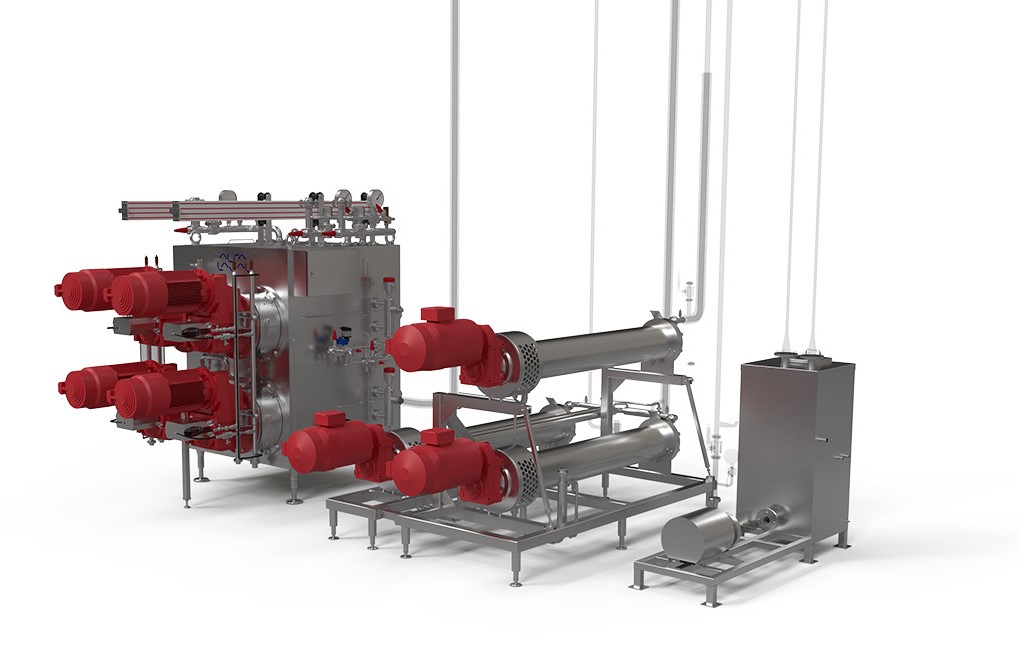
Unit pasteurisasi skid-mount menangani pasteurisasi in-line. Pompa mentransfer emulsi melalui filter kawat ke plate heat exchanger untuk pasteurisasi. Pompa lain memfasilitasi sirkulasi air panas melalui plate heat exchanger. Pasteurisasi terjadi pada suhu antara 80°C dan 85°C; prosesnya memerlukan waktu beberapa detik. Pemanasan emulsi akan menghambat pertumbuhan bakteri dan mikro organisme lain serta meningkatkan stabilitas emulsi. Emulsi biasanya meninggalkan pasteurizer pada suhu antara 45°C dan 50°C.
Crystallization in margarine production

Kristalisasi dalam produksi margarin

Pompa bertekanan tinggi mentransfer emulsi ke scraped surface heat exchanger (SSHE) bertekanan tinggi, yang dikonfigurasi sesuai dengan laju aliran dan resep. Mungkin ada berbagai tabung pendingin dengan ukuran berbeda dan permukaan pendingin yang berbeda. Setiap silinder memiliki sistem pendingin independen di mana refrigeran (biasanya amonia R717) disuntikkan secara langsung. Pipa produk menghubungkan satu silinder dengan silinder lain. Sensor suhu di setiap outlet memastikan pendinginan yang tepat. Tingkat tekanan maksimum adalah 120 bar.  

Tergantung resep dan penerapannya, emulsi mungkin harus melewati satu unit pekerja pin atau lebih sebelum pengemasan. Unit pekerja pin memastikan kekenyalan, konsistensi, dan struktur produk yang tepat. Jika perlu, Alfa Laval dapat memasok tabung pendinginan; namun, sebagian besar pemasok mesin pengemasan menyediakannya.

Unit pengerjaan ulang berkelanjutan

Unit pengerjaan ulang berkelanjutan dirancang untuk melebur kembali semua produk berlebih yang melewati mesin pengemas untuk diproses ulang. Pada saat bersamaan, unit ini membuat mesin pengemas bebas dari tekanan balik yang tidak diinginkan. Sistem lengkap ini terdiri dari plate heat exchanger, pompa air resirkulasi tempered, dan pemanas air.

.

Kemitraan yang unik

Alfa Laval telah bekerja sama dengan RONO, spesialis teknologi solusi proses untuk industri makanan, untuk memberikan sistem proses margarin yang komprehensif dan disesuaikan yang dapat diintegrasikan sepenuhnya ke dalam pabrik Anda. Penawaran solusi kami saling melengkapi. Izinkan kami merancang dan memberikan bagian pengilangan hulu dan modifikasi lemak atau solusi multifungsi yang sangat fleksibel. Anda dapat mengandalkan solusi yang disesuaikan secara individual dengan spesifikasi Anda dan produk akhir yang diinginkan. Lebih kuat bersama, Alfa Laval dan RONO menghadirkan hal terbaik dalam desain sistem pabrik margarin, teknik, layanan, dan dukungan melalui kehadiran kami secara global.

Mengoptimalkan proses minyak nabati

Penyulingan minyak mentah menjadi minyak nabati membutuhkan pengetahuan proses yang mendalam — dari degumming, netralisasi, dan dewaxing hingga pemutihan, deodorisasi, serta mitigasi GE dan 3-MCPD.

degumming-for-edible-oil 640x360

Saya tertarik
Apakah Anda ingin menerima webinar sesuai permintaan, undangan ke acara mendatang, serta berita produk dan layanan?
Multiple or single choice

Informasi ini disimpan dan diproses sesuai dengan kebijakan privasi kami.


Q&As about the Alfa Laval Margarine Plant Systems 

About Alfa Laval, Rono and the Margarine Plant Systems 

Are there standard capacities for the Alfa Laval Margarine Plant Systems available for shortening? For margarine? No, there are no standard capacities because our systems are always tailored to customer requirements. 

Most margarine plants typically share the same location as oil refineries that have hydrogen facilities. Can you build a margarine plant as an independent production facility? If so, what factors should be taken into consideration? Yes, a margarine plant can operate independently with its own dedicated tank farm. It does not need to be connected to an edible oil refinery. 

What is the relationship between production capacity and cooling capacity? There is no fixed relationship. Factors such as the recipe, oil ingredients, and product type affect production and cooling capacity. 

About margarine, shortening, and recipes 

What is anhydrous margarine? Anhydrous means ‘containing no water’. Anhydrous margarine is therefore a vegetable fat compound, similar to shortening, with minimal water content. 

Can you use the same process and equipment to produce a margarine containing 20% fat as you do for shortening? No, we do not recommend using the same equipment to prepare a margarine emulsion and shortening. 

Are there any special considerations for producing soft, low-calorie, high-water-content margarines (halvarines)? For low-fat and half-calorie margarine, or halvarines, it is essential to create a stable emulsion from the start and to ensure the emulsion tanks are properly designed. Water quality is also important, as is pasteurization. 

How do fractionated oil components affect product behaviour? It depends on the recipe. Fractionated oils are essential for achieving high-quality products, but can impact product behaviour in different ways. 

About the water and oil phase 

To produce a good mixture of water and oil in margarine, what is the ideal percentage for the emulsifier? There is no golden rule, as the percentage largely depends on the ingredients. As a guideline, the percentage may range between 0.3-0.6 %. 

How do you reduce shrinkage in puff pastry? To ensure the product has better plasticity, you can reduce the lecithin dosage in the recipe by 0.1-0.2 %. 

What should be the quality parameter of feed oil for margarine? The oil feed must be refined oil with a maximum free fatty acid content of 0.05 % and no peroxides. 

Can product throughput be improved by using non-hydrogenated oil? Yes. Palm stearin and hard stearin with iodine values of 12-13 can improve throughput instead of using hydrogenated oil. 

Which chemical is best suited for emulsified butter? Monoglycerides are effective for producing emulsified butter. 

How does the oil blend affect ‘oiling out’ during margarine storage? Ensuring a stable emulsion and proper crystallization helps prevent oiling out. Storage temperature and time also affect oiling out, as do the recipe and the processing parameters. 

How can you prevent post-hardening of palm oil products – especially fat used for filling applications? The recipe is key in preventing post-hardening of palm oil products. Preparing a good emulsion and using lecithin also helps minimize post-hardening. 

About mixing, blending and dosing 

Can you improve the thickening process, or emulsification, by using a high shear mixer? Yes, a high shear mixer or agitator can minimize the size of the water droplets, which helps increase plasticity and improve thickening. 

What is the recommended agitator speed for mixing the oil and water phases? The recommended agitator speed depends on factors such as tank shape, tank dimension, and agitator type. In general, 30 rpm and 70 rpm are the recommended speeds. 

How do you improve plasticity in margarine? Using a high shear mixer helps improve plasticity. 

Is there a high shear mixer in the water phase mixing system? No, there is no need to use a high shear mixer in the water phase. However, we recommended it for the emulsion phase. 

Can you use a high shear mixer to produce pourable shortening? We do not recommend using a high shear mixer to produce pourable shortening. 

Can a palm-based oil blend reduce post-hardening issues in margarine? Yes, using a palm-based oil blend, a tank above load cells, and a tank with an agitator helps minimize post-hardening issues. 

About crystallization 

How do you determine when to use a crystallizer (SSHE) and a pin worker? It depends on the product, recipes, and types of filling and packing systems. Products that are filled smoothly require less cooling and more treatment to ensure the proper crystallization structure. Additionally, the selection of the SSHE and pin worker type and size depend on the production capacity. 

What are the differences between a pin worker unit and a plasticator? A pin worker unit and a plasticator differ in size or volume. Pin workers are typically positioned at the crystallizer, handle larger volumes (25–180 litres), and run at lower speeds. A plasticator is positioned in front of the filling machine, handles smaller volumes (25-50 litres), and runs at higher speeds. 

Please specify the parameters to keep in mind when using a pin worker unit to achieve the best plasticity for margarine? Volume and the shaft speed are primary parameters to keep in mind when using a pin worker unit to achieve optimal plasticity. Volume defines the resting time through the pin worker unit, and speed determines the treatment intensity. To ensure the product is not overworked, both parameters must be adapted to achieve the right texture for a specific product. 

Can using the new high-pressure crystallization system prevent the maturation process of liquid shortening? No, the crystallization system does not affect the maturation process of liquid shortening.   

How can we reduce shrinkage in puff pastry margarine? Puff pastry products require long crystallization times. Large cooling surfaces, an intermediate pin worker unit, large volumes of resting tubes, and the right process temperature profile contribute to minimizing shrinkage. 

What is the maximum rpm of a plasticator? 1200 rpm. 

What is the ideal rpm for a pin worker unit? Typically, it is approximately 200-350 rpm, depending on the product and recipe. 

What is the difference between a standard pin worker unit and a pin worker unit used for shortenings? The only difference is the duration of treatment time. Margarine requires about one minute, while shortening requires approximately 2.5 minutes. 

About pasteurization and preservation 

Why use a small plasticator with 850-900 rpm? It provides intensive treatment, typically in 15–20 seconds, to achieve a proper crystallization and smooth texture of margarine and edible fat products before filling. Sizes and shaft speed always vary, depending on the end product. 

What is the ideal temperature for the pasteurization process? How long is the contact at that temperature? The ideal pasteurization temperature is 85°C for about 17 seconds. 

What is the most suitable heat exchanger for pasteurization? It depends on product viscosity or protein content. In most cases, Alfa Laval recommends scraped surface heat exchangers for pasteurization. 

How do you prevent bacteria and fungi when producing salt-free margarine? Use preservatives such as citric acid, potassium sorbate or tartaric acid. 

What is the ideal storage temperature and typical shelf life for margarine at that temperature? The ideal storage temperature depends on the recipe and end consumer. Industrial margarine can be stored at 16°C. Most recipes call for a storage temperature of 10°C, while the ideal storage temperature for table margarine is 4°C. Shelf life depends on the recipe but typically ranges from two to 12 months with proper cooling. 

What is the recommended cooling surface for 3,000 kg/h production of margarine containing 15% water? Around 1.5 – 2 square metres, depending on the packaging. 

Is it possible to add an FDA-approved preservative to prevent microbial growth in margarine with containing 18% water? Yes, preservatives approved by the US Food & Drug Administration prevent microbial growth and include citric acid, brine, tartaric acid, and potassium sorbate. 

Is it possible to produce margarine with a water content of 18% without using a preservative? If so, how long we can keep this product at ambient room temperature? Yes, it is possible produce margarine with a water content of 18% without using a preservative, but only if: 

  • the quality of the water is sufficiently high 
  • no proteins are used 
  • the emulsion is pasteurized 
  • a proper cooling chain is maintained before delivery to the end user 

Depending on the ambient temperature, shelf life is two to three months. With proper cooling, it can be extended to six to 12 months. 

What is the main cause of margarine discolouration when properly stored? Discolouration when properly stored can result from exposure to bacteria or enzymes. Oil quality and fresh oil free from peroxide help ensure good margarine quality. 

About Alfa Laval Contherm 

Do I still need to use the Alfa Laval Contherm if I use the RONO scraped surface heat exchanger (SSHE) to produce shortening? Is the Contherm similar to the RONO SSHE? No. There is no need to use the Contherm together with the RONO SSHE. However, using the Contherm can improve plant capacity. While similar in design, the SSHE runs more efficiently at low pressure. 

What is the annular gap for the SSHE? There are various annular gaps available, depending on the product and customer requirements. The standard annular gap is 10-11mm; however, 5-mm, 7-mm, 9-mm, and 15-mm gaps are available.  

What is the refrigerant temperature used in Contherm? It depends on the media used. For glycol water, the temperature is approximately -5°C and, for ammonia, -28°C. 

Why is Contherm used for precooling before crystallization? It is a low-pressure scraped-surface heat exchanger that cools the product to the desired temperature before it enters the high-pressure section. 

Does Contherm improve the crystallization of palm fraction-based margarine and shortening? Yes, using Contherm before cooling palm fraction-based margarine and shortening improves product quality. 

About heat exchangers in margarine processing 

Can the scraped surface heat exchanger run continuously during palm kernel stearin production or cocoa butter substitute (CBS) production? Yes. With a higher scraping rate, the SSHE can run continuously. Adjusting the stearin or CBS melting point also prevents crystals from adhering to the shaft. 

What is the optimal inlet temperature for the SSHE? About 45°C. 

What type of heat exchanger should be used with ammonia or CO2? Ammonia remains the industry standard as a heat exchanger refrigerant. Depending on local conditions, such as temperature and the availability of refrigeration services, the CO2 cooling may be considered as an alternative.   In both cases scraped surface heat exchangers are used. If the heat exchanger is provided with a drop tank, restarting will be fast and easy. 

What heating systems do you recommend for restarting an entire plant in the event of a breakdown? For media with high melting points, any downtime may result in a system-wide shock. Recommendations for such heating systems depends on the type of equipment that breaks down. Mixing tanks are generally heated by a jacket surrounding the vessel while pipes are heated by double jackets using hot water. The scraped surface heat exchanger is heated using a hot water pipe inside the shaft. 

About reworking 

How much product can be reworked? Excess or surplus product, typically about 3-5%, from the packing lines is continuously recirculated to the mixing tank as rework product. In the event of packing machine downtime, the rework capacity is 100%. This enables all excess product to be remelted in a continuous rework unit and recirculated to the preparation tanks. 

About cleaning and maintenance 

How often should Cleaning-in-Place take place? Cleaning-in-Place should be scheduled at least once a week; however, the frequency of CIP depends largely upon the recipe and production sequence. 

How do you prevent rust in the water phase tank and pipes? Using high-quality water with low hardness levels and thorough cleaning-in-place helps prevent rust formation. 

Does standard insulation work for process tanks? Hygienic process tanks generally are stainless steel vessels with AISI 304 jacket and insulation (not cladding). 

What type of pump is used to process liquid margarine containing 40% water? The pump type varies, depending on the processing stage. In the preparation stage, rotary lobe pumps are generally used. In the high-pressure section, circumferential piston pumps are the pump of choice. 

Yellow margarine smeared around

Semua yang Anda butuhkan untuk margarin dan olesan yang luar biasa

Ingin membangun pabrik pemrosesan baru atau meningkatkan produksi? Optimalkan pabrik margarin Anda dengan Alfa Laval. Dengan pengetahuan yang luas dan solusi yang komprehensif serta portofolio peralatan, Alfa Laval memiliki jangkauan global dan kehadiran lokal untuk memenuhi kebutuhan Anda.

Webinar untuk industri Minyak Nabati

Pakar kami berbagi pengetahuan untuk mengoptimalkan proses penyulingan minyak nabati, menghilangkan kotoran dan komponen yang mudah menguap untuk kualitas, keamanan, dan hasil produk yang lebih baik.

Webinar 640x360